



WIFO Austrian Institute of Economic Research
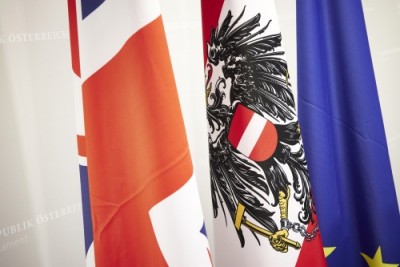
WIFO Director Felbermayr Speaks Out in Support of Austria's Economy at the Austro-British Society
Amid geopolitical crises, weak purchasing power, and unresolved structural problems, in a speech to the Austrian-British Society, WIFO Director Gabriel Felbermayr presented a nuanced analysis of Austrian economic policy. His conclusion is surprisingly conciliatory.
September 14, 2026
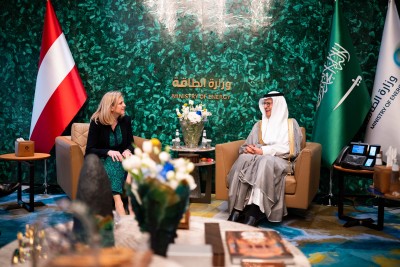
Austria is Pushing for Stability Diplomacy and Energy Security in the Gulf
Amid a period of extreme geopolitical tension, Austria is pursuing a two-pronged strategy that combines active on-the-ground mediation with domestic crisis preparedness. While Foreign Minister Beate Meinl-Reisinger is in Saudi Arabia exploring diplomatic avenues to end the war with Iran, the federal government in Vienna has established a new national coordination body to mitigate the economic consequences for the country.
April 8, 2026

How the Iran War is Tearing Austria's Economy Between Crisis and Opportunity?
While drones and missiles fly in the Persian Gulf, calculators are working overtime in Vienna. The geopolitical escalation in the Middle East has Austria's economy firmly in its grip. Between rapidly rising fuel prices, stubborn inflation, and hopes for an “economic miracle after regime change,” the small European country faces an uncertain but highly exciting economic future.
March 3, 2026

Between Fiscal Discipline and a Wave of Bankruptcies in Austria: Finance Minister Marterbauer Slows Down Ahead of Government Retreat
Before the start of the government retreat, Finance Minister Markus Marterbauer (SPÖ) drew a clear red line. Despite a historic record year for corporate insolvencies, he warns against “expensive wishes” from the business community. While the industry is insisting on relief, the Ministry of Finance is focusing on targeted structural support rather than broad tax cuts.
January 12, 2026
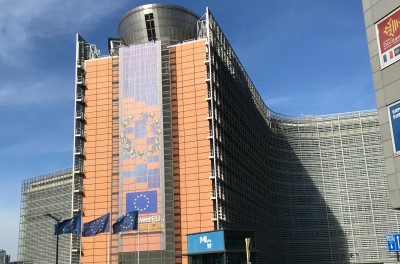
Austria On Track: EU Commission Accepts Deficit Plans Despite Surprises
As part of its autumn package for the European Semester, the EU Commission has given Austria a positive assessment of its progress in the ongoing deficit procedure. Despite the expected higher budget deficits, particularly in some federal states, Vienna is certified to be on track to comply with EU requirements. No new requirements are expected for the time being. At the same time, the government's eagerly awaited industrial strategy is coming into focus, with leading economists calling for a “European dimension.”
November 25, 2025


Austria's Diplomatic Conference Focuses on Foreign Policy
Amid global crises and economic uncertainty, Austria’s Foreign Ministry is positioning itself with a clear strategic focus. The annual Ambassadors' Conference (BOKO) and the parallel Foreign Cultural Conference (AKT) in Vienna demonstrated how the Foreign Ministry, under the leadership of Foreign Minister Beate Meinl-Reisinger and State Secretary Sepp Schellhorn, defends and promotes Austrian interests worldwide.
September 14, 2025
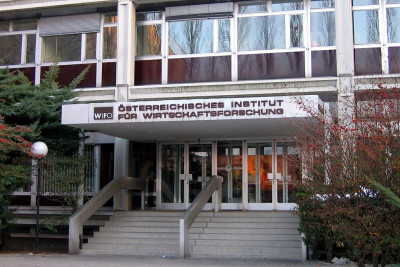
WIFO Chief Calls for Tougher Stance in Tariff Dispute with the U.S.
In the ongoing tariff dispute between the European Union and the United States of America, Gabriel Felbermayr, Director of the Austrian Institute of Economic Research (WIFO), advocates a reorientation of the European negotiating strategy.
August 28, 2025
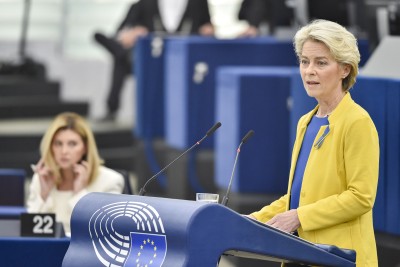
Broad Criticism, Including from Austria, of New Tariffs Deal Between the U.S. and the EU
The trade deal between the United States and the European Union, which was announced by both sides with pride, may have averted a looming escalation in the trade dispute. Still, it has been widely criticized in political and economic circles. While EU Commission President Ursula von der Leyen and Trade Commissioner Maros Sefkovic defended the agreement as a “breakthrough” and “the best possible outcome,” numerous member states and business representatives, including many voices from Austria, see and feel significant disadvantages for the EU and are calling for renegotiation.
August 20, 2025 · Updated: August 21, 2025; 12:46
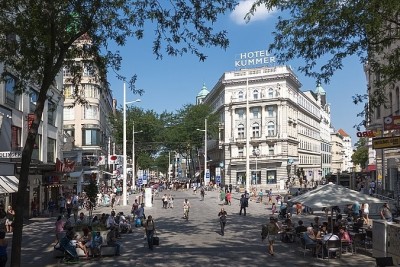
Economic Recovery According to WIFO Still a Long Way Off in Austria
While the economy in the eurozone has largely stabilized, Austria remains in a phase of stagnation, according to the latest economic report from the Austrian Institute of Economic Research (WIFO). Domestic growth is stagnating, the labor market is weakening, and inflation is rising again more sharply. Industry in particular is in a prolonged recession, while only public services are showing momentum.
August 11, 2025
Austria's Economy: End of Recession in Sight, but Recovery Remains Fragile
After two years of recession, a turning point appears to be on the horizon for the Austrian economy. This is according to leading economic research institutes WIFO (Austrian Institute of Economic Research) and IHS (Institute for Advanced Studies), which have raised their forecasts for 2025 and now expect economic output to stagnate or grow slightly. Nevertheless, both institutes warn of ongoing risks and only a modest recovery.
June 26, 2025

U.S. Tariffs Cause Tensions: Austria between Willingness to Negotiate and Strong Response
Transatlantic economic relations are once again being put to the test. Following the US decision to impose import tariffs on European products - particularly steel, aluminum, and a range of industrial goods - under former President Donald Trump, the EU has responded with a second package of sanctions. Stakeholders in Austria are also taking a clear stance - between calls for diplomacy and calls for consistency.
April 9, 2025
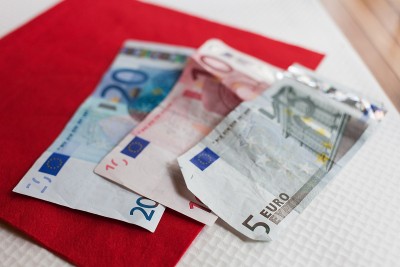
Taxes Rising, Deficit Growing: Austria Faces EU Criminal Proceedings
Austria is threatened with EU deficit proceedings - at 4.7 percent of GDP, the budget deficit is well above the Maastricht limit. To counteract this, the federal government is taking the first noticeable steps - above all, tax increases on tobacco, betting, e-vehicles, and court fees. However, experts warn that the road to budget consolidation is rocky and politically explosive.
April 1, 2025
Austria Threatened by Recession: Finance Minister Marterbauer Warns of Difficult Year Ahead
Finance Minister Markus Marterbauer (SPÖ) made a grim forecast for the Austrian economy at a meeting of the EU Economic and Financial Affairs Council (ECOFIN) in Brussels. According to Marterbauer, the country must expect a recession in 2025. This could have far-reaching consequences for the budget and the government's ability to act financially. Despite this negative development, the federal government is sticking to its goal of avoiding an EU deficit procedure.
March 12, 2025
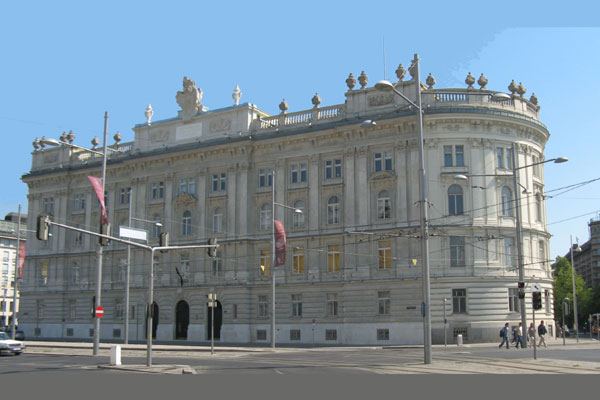
Austria's Industry and Economy under Pressure: Economic Experts Discuss Solutions
The situation in Austrian industry has deteriorated continuously since mid-2021. The Federation of Austrian Industries (IV) is now issuing an urgent warning about the consequences of this development. “Industry is in a bleak situation,” explained IV chief economist Christian Helmenstein. There is no sign of a recovery shortly, which is seriously jeopardizing the competitiveness of the location and the prosperity of the country.
February 2, 2025

Australian Foreign Minister Penny Wong Meets Austrian Chancellor Schallenberg in Vienna
Austria's Foreign Minister and interim Chancellor Alexander Schallenberg received his Australian counterpart Penny Wong for a bilateral working meeting in Vienna. This high-level visit marks another milestone in the strategic cooperation between Austria and Australia, which has been steadily deepening since the signing of the Agreement on Strategic Cooperation (ASCo) in 2021.
January 28, 2025
Deficit Forecast for 2024 Rises to 3.3 %: Austria Facing Economic Challenges
The Ministry of Finance has raised its deficit forecast for the 2024 budget to 3.3% of GDP, which puts the deficit above the Maastricht limit of 3%. The reasons for this development include the sluggish economic recovery, the effects of the flood disaster, and the increase in the climate bonus. This represents a significant deterioration, as the forecast in March was still 2.9%.
October 3, 2024

International Headquarters Vienna: Economic Importance and Future Potential
A recently published study by the economic research institute WIFO on behalf of the Austrian Foreign Ministry illustrates the significant financial impact of international organizations in Austria.
July 31, 2024
Economic Outlook in Austria: High Inflation and Stagnation Until 2026
The Austrian Institute of Economic Research (WIFO) has published a comprehensive analysis of economic development and inflation forecasts for Austria, covering the years 2024 to 2028. The study shows that Austria will continue to struggle with high inflation until mid-2026 before the European Central Bank's (ECB) target of two percent is reached. At the same time, the economy will not see a slight recovery until 2025.
July 1, 2024
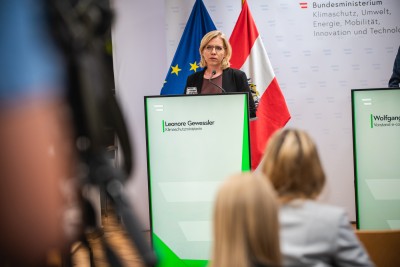
Austria Plans to Withdraw from Russian Gas Contracts
In a decisive step against continued energy dependence, Energy Minister Leonore Gewessler (Greens) announced that she would end the gas supply contracts between OMV and the Russian company Gazprom. The contracts, which run until 2040 and oblige Austria to purchase significant quantities, are under critical review. Gewessler commissioned the Economic Research Institute (WIFO) to carry out a detailed analysis of the economic consequences of termination and the risks of continued dependency.
February 12, 2024
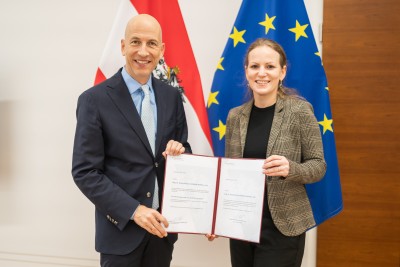
Realignment and Expert Dialog: Austria's Path to Fair Competition
The new head of the Federal Competition Authority (BWB), Natalie Harsdorf-Borsch, has set herself the goal of taking stronger action against companies that abuse their market power. This focus marks a strategic reorientation of the BWB, which previously dealt primarily with price agreements and investigated fewer cases of abuse of market power.
January 28, 2024
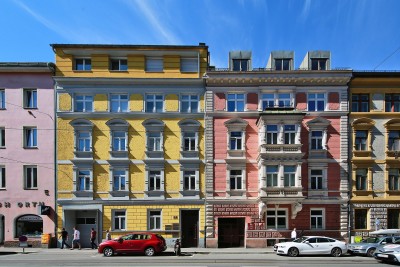
Real Estate Prices in Austria Increased: Housing Increasingly Less Affordable
The cost of residential real estate in Austria has risen dramatically in recent years, significantly affecting affordability for many households. According to a recent analysis conducted by UniCredit Bank Austria, residential property prices in the euro area have risen faster than incomes. Austria has been particularly affected by this development, where property prices have actually fallen by almost 40 percent compared with incomes.
August 31, 2023
Austria's Economy Threatens to Fall Into Stagflation
After the recovery of the national economy in the previous year as well as in the first half of 2022, the Economic Research Institute and the Institute for Advanced Studies see Austria in a downturn phase. Stagflation is looming next year.
October 10, 2022

How the War in Ukraine Affects Austrian Businesses
Besides causing enormous humanitarian and political problems, the Russian invasion has also caused a chain reaction in the economy that has been felt worldwide. Austrian Institute of Economic Research (WIFO) published a survey that examines exactly these questions in order to determine how strongly Austrian companies feel the crisis impacts them and which sectors are most affected.
July 19, 2022
Weekly Briefing: Diplomacy and State Visits in Vienna
Read about the newest developments in Diplomacy in Vienna and Austria. The Dutch Royal Couple visited Austria and International Organizations in Vienna released important publications. The consequences of the Russo-Ukrainian War are making themselves felt in security issues and are changing people's lives in Vienna as well. Further, the newest developments in the Iran Nuclear talks raise hopes. The Find out more about this week's developments.
June 30, 2022
Why Austria's Economic Recovery is Losing Momentum
According to the Austrian Institute of Economic Research (WIFO), the global economic slowdown, which mainly affects industry, has dampened Austria's economic outlook. This downturn is only dampened by tourism, which has recovered better than expected since the Covid-19 pandemic.
June 30, 2022
Think Tank: Concerns About EU Sanctions Against Russian Oil and Gas
For some time now, the business community has been complaining about the lack of information on how gas and oil will be distributed sensibly in the event of a supply freeze from Russia. The Austrian Economic Research Institute (WIFO) is also concerned about the future of the energy supply and discusses possible solutions.
May 29, 2022
War in Ukraine Continues to Dominate Austria's Economic Outlook
In a recently published report, the Austrian Institute of Economic Research (WIFO) gives an insight into Austria's economic situation and forecasts the development of the economy over the next few years. The Omikron wave and the war in Ukraine will continue to slow down Austria's economic growth in the next few years and no relief is expected for the time being. Nevertheless, there is also good news concerning the labour market.
May 12, 2022
How the War in Ukraine Affects German-Austrian Trade Relations
After a Corona-induced decline in trade between Germany and Austria, the situation seemed to settle down again in 2021. However, high expectations for growth have recently been depressed by the Russian invasion of Ukraine. A brief analysis.
May 2, 2022

6.8% Inflation: How Private Households are Affected by Rising Prices
Inflation in Austria remains historically high and is pushing many households to their limits. Whether it's high gasoline prices or horrendous living costs, everyone is feeling the inflation. How the average household is affected by these problems and what impact they have on lower-income households, read here.
April 20, 2022
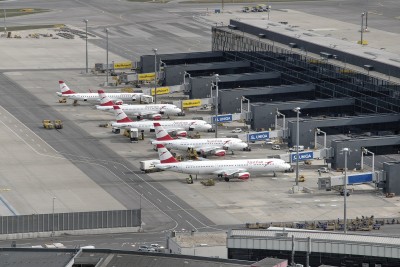
Uncertainty due to Ukraine War: Austria's Tourism Industry Lowers High Expectations for 2022
Austria's tourism industry is facing another setback after 2 tough years. Uncertainty caused by the Russian war of aggression in Ukraine and the related increase in economic problems could have an impact on tourism and thus also on the economy in Austria.
April 7, 2022
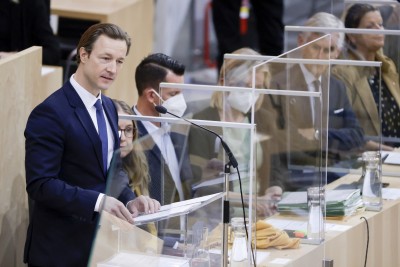
Austria Presents Financial Budget for 2022
Austrian Finance Minister Gernot Blümel presented Austria's draft financial budget for 2022 to the Austrian Parliament in the form of the annual budget speech. The plan includes tax reforms, budget increases for various ministries, estimates regarding the COViD-19 crisis, and more. Read some of the specific provisions in the budget outlined by the finance minister.
October 14, 2021

WIFO Director Badelt Sees Climate Issue as "Biggest Problem for Austrian Economy"
The Austrian Institute of Economic Research (WIFO) director Christoph Badelt emphasizes the need for public discussion of the current climate crisis and demands a "comprehensive transformation process" driven by Austria's Environment Minister Leonore Gewessler in order to battle the ongoing climate change.
February 26, 2021
Brexit Agreement: Austria's Economy Significantly Better Off
The Austrian Institute of Economic Research (WIFO) has issued a study in which the effects of the post-Brexit trade agreement between the United Kingdom and the European Union was compared to a no-deal scenario. The results of the study show that the Austrian economy be happy with the negotiated agreement.
January 14, 2021

WKO Heads Demand Clear Plan for Path to Normality
The heads of Austria's Federal Economic Chamber demand a clear plan that shows a step-by-step path to normality. They demand regular mass testing, where negative test results are connected to more freedoms. According to them, the lockdown immediately after Christmas will hit many companies particularly hard.
December 18, 2020
Eurostat: Austria Is Second in EU With Research Expenditures
In its recent publication, the statistical office of the European Union, Eurostat, put Austria on second place for research expenditure relative to GDP. Austria has invested 3.19 percent of its gross domestic product in R&D, which is only surpassed by Sweden with 3.39 percent of the country's GDP.
November 27, 2020
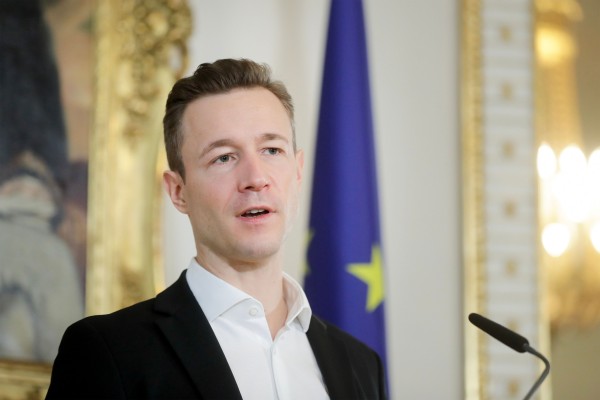
"Massive New Debt" in 2021
Federal Minister Blümel announces massive new government borrowing for next year in order to tackle the ongoing Covid-19 crisis. He hopes to return to meeting the Maastricht criteria again in the next years.
September 7, 2020
After Discussions in Austria: IHS and WIFO Against Statutory Reduction of Working Hours
Austrian economic research institutes IHS and WIFO are both against a reduction of working hours. According to the experts, training and retraining for the unemployed would be better approaches.
August 26, 2020
Austria: Is Spindelegger Suitable as Finance Minister?
On Tuesday the Austrian Finance Minister will hold his first budget speech. Initial figures reveal record debt levels.
April 28, 2014
Austria: Government Wants “Restrictive Budget Performance”
Today the Austrian government has decided upon a “restrictive budget performance.
April 8, 2014
Austria: “Financial Crisis is Not Yet Over”
Deputy Chancellor and Finance Minister Michael Spindelegger considers the financial crisis not to be completely over.
April 2, 2014
Leitl: “Growth Must Not Mean Less Reforms”
Economic growth is now weaker than in the previous phases of upturn.
March 28, 2014
Austria: Economic Growth Slowly Getting in Gear
Wifo (Austrian Institute of Economic Research) projects economic growth in Austria to revive again only at the end of this year.
March 27, 2014
Wifo Warns European Council of Economic-Policy Standstill
The Austrian Institute of Economic Research sharply criticizes the current economic policy of the European Union and calls for a change of course to reach the self-defined targets.
March 19, 2014
Hypo Group: Losses Expected to Run into Billions
Hypo Group Alpe Adria is expected to reveal losses of around € 2bn in the balance sheet for the business year 2013. Up to now, losses in the amount of € 1.3bn were expected.
March 12, 2014
Wifo: Economic Recovery Lacks in Momentum
Economic growth in the Eurozone is still without a major drive. In Austria too, economic recovery is still restrained.
March 11, 2014
Austria: Tax Increases to be Resolved
The Austrian National Assembley will resolve tax increases.
February 24, 2014
Austria: Wifo Projects Gloomy Economic Outlook
A restrained economic growth, high unemployment rate and measures for the consolidation of the state budget are the factors which affect the economic development on a medium-term.
February 21, 2014
Austria: Economic Growth Accelerates
In the fourth quarter in 2013 GDP increased by 0.3 percent compared to the previous quarter and by 0.9 percent year-on-year.
February 14, 2014
IHS Rejects Hypo Group’s Bankruptcy
According to Keuschnig, it is also a question about a “national bankruptcy“.
February 13, 2014
Wifo: Recovery Continues
Early indicators by the Austrian Institute of Economic Research (Wifo) point to a gradual recovery of the economy both in the European Union and in Austria.
February 11, 2014
Fast News Search
