




Tourism Gets Off to a Record Start in May, But the Hotel Industry Has Reasons for Concern
The summer season for tourism in Austria has gotten off to an impressive start with record numbers. Yet despite a historic high in bookings in May, the Austrian hotel industry is looking ahead to the rest of the summer with mixed feelings and tempered enthusiasm.
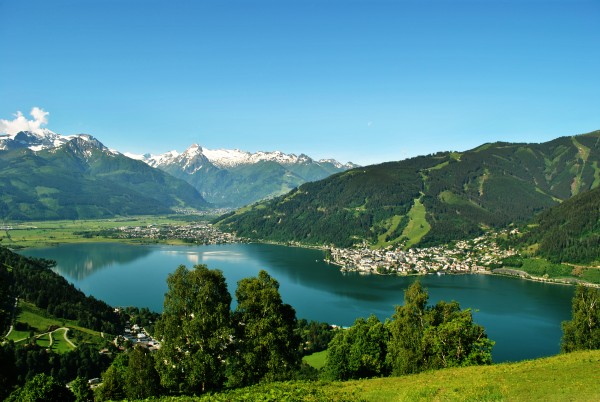 Incoming tourism kicked off the summer season with 9.6 million overnight stays in Austrian hotels, guesthouses, and
vacation rentals. / Picture: © Wikimedia Commons / Bestzeller [Public Domain]
Incoming tourism kicked off the summer season with 9.6 million overnight stays in Austrian hotels, guesthouses, and
vacation rentals. / Picture: © Wikimedia Commons / Bestzeller [Public Domain]
Austria’s tourism industry can celebrate a spectacular start to the warm season, at least in nominal terms. According to preliminary figures from Statistics Austria, approximately 9.57 million overnight stays were recorded in domestic lodging establishments in May 2026. This represents a strong increase of 12 percent compared to the same month last year and marks the highest May figure ever recorded since electronic records began in 1973/74.
The main drivers of this boom were primarily foreign guests (6.29 million overnight stays, +19.6%), aided by a favorable calendar alignment in which Pentecost and the Bavarian school vacation weeks fell entirely within May. The most important source market was Germany, with 3.42 million overnight stays—a substantial increase of 37.3%.
WKÖ Tones Down the Euphoria: “Rather Satisfactory”
Despite these record figures, the Austrian Federal Economic Chamber (WKÖ) is urging caution. Georg Imlauer, chairman of the WKÖ’s Hotel Industry Association, tempered premature celebrations during an appearance on Ö1’s “Morgenjournal.” In his view, the current situation is merely “somewhat satisfactory” at the moment. “We hope to receive more bookings as the month progresses. Revenue still leaves something to be desired, and we’re unlikely to reach the average rates of previous years,” Imlauer explained in an Ö1 interview with ORF.
In particular, guests’ reluctance to spend on ancillary services is causing concern among hoteliers. Vacationers are increasingly cutting back on additional services, restaurant visits at the hotel, and recreational activities. Furthermore, following a strong May, June proved to be extremely volatile and mixed. While the booking situation remained relatively stable in urban centers, many alpine vacation resorts and rural vacation regions reported significantly more subdued demand.
High Cost Pressure and Stalled Collective Bargaining
The subdued mood in the sector also has tangible structural and financial causes. The industry is struggling with massive cost increases. “We already have very, very high costs for staff, supplies, energy, and bureaucracy,” said Imlauer.
This financial pressure is also exacerbating tensions in labor relations: Collective bargaining negotiations for the approximately 230,000 employees in the hotel and hospitality industry broke down without a resolution in June. The employers’ final offer averaged 3.0 percent (and 3.4 percent for the lowest wage groups). Imlauer urged the union to finally accept this offer, noting that many businesses are already voluntarily implementing the raises.
Visitor Management in Salzburg Urgently Needed
Another problem is unmanaged day tourism, particularly in hotspots like the city of Salzburg. Similar to Venice, the city of Mozart suffers from an enormous influx of day visitors who, in bad weather, clog the alleys without generating significant economic value in the form of overnight stays.
The WKÖ sector head is therefore calling for an active visitor management system, which should focus primarily on tour bus traffic. In the future, slots at bus terminals should only be allocated for a minimum duration of four to six hours. Short stopovers of just one to two hours are counterproductive, as they overload the city’s infrastructure without benefiting local businesses.