




Cost Pressures Make Museum Tickets More Expensive
Anyone wishing to visit the magnificent halls of Austria's federal museums these days will have to dig deeper into their pockets than ever before. While institutions such as the Belvedere and the Kunsthistorisches Museum (KHM) are celebrating record visitor numbers, massive cost pressures are leading to drastic price increases. For many art lovers, visiting museums is thus becoming increasingly difficult to afford.
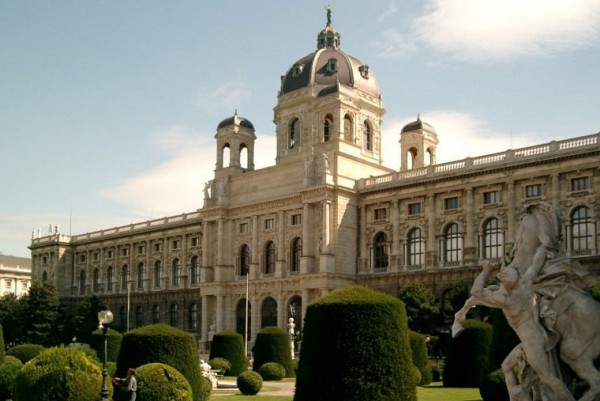 Half of the federal museums have drastically increased their ticket prices. / Picture: © Wikimedia Commons / GNU Free Documentation License. [GFDL (https://commons.wikimedia.org/wiki/Commons:GNU_Free_Documentation_License,_version_1.2)]
It sounds paradoxical: Austria's museums are more popular than ever before. The Belvedere recorded a historic record of 2.3 million visitors in 2025. The KHM and the Albertina also clearly broke the million mark. But behind the shiny façade, things are bubbling. Despite full houses, the institutions are struggling with an explosion in costs, which is now being passed on directly to visitors.
At the Kunsthistorisches Museum, a day ticket has cost 24 euros since the beginning of the year. The Upper Belvedere will follow suit at the end of March, raising the price from 19.50 euros to 23 euros. Visitors have felt the inflation particularly keenly at the Museum of Applied Arts (MAK), where the price of an online ticket has risen to 18 euros – an increase of 16 percent. According to recent media reports, ticket prices have risen by up to 50 percent over the past five years.
Why are tickets becoming so expensive?
There are many reasons for the price increases. In addition to higher personnel and energy costs, rents are a particular strain on the budget. The museums do not own the historic buildings; they have to rent them from the federal government. The Natural History Museum (NHM), for example, now pays around 1.3 million euros in rent annually – in 2021, it was less than 900,000 euros.
A core problem remains the lack of “valorization” of state subsidies. While expenses are rising due to inflation, basic state compensation often remains at the same level. “The loss in value must be offset by increases in revenue,” explains Belvedere Director Stella Rollig. Although a slight increase in basic funding for federal museums to a total of 157.2 million euros is planned for 2026, experts warn that this will barely cover inflation, while the general culture budget for 2026 is even set to decline.
International comparison and austerity measures
Austria's prices are in line with the international trend, but still lag behind some of the frontrunners, such as the Metropolitan Museum in New York ($30). In Paris, the Louvre is causing a stir with its “foreigners' tariff”: non-EU citizens pay €32 there. In Austria, such a model has been rejected so far, as the administrative costs for ID checks are considered too high and the proportion of non-EU visitors in institutions such as the NHM is less than eight percent.
What remains for the public?
Despite the price increases, there are rays of hope for bargain hunters:
- Under 19 years of age: Admission for children and young people remains free in federal museums.
- Federal Museum Card: For €99, frequent visitors can enjoy unlimited access to all museums for a year. The card has been sold over 75,000 times to date.
- Free Sunday: Thanks to a new sponsor, the Vienna Kunsthalle has been offering free admission on the last Sunday of every month since January 25.
Nevertheless, the future remains uncertain. If the budget cuts threatened for 2027 by Culture Minister Andreas Babler (SPÖ) actually come to pass, NHM director Katrin Vohland says there could be additional closing days or even the end of free admission for young people. Art could soon become a luxury good in Vienna.