




Kremlin's Shadows in Vienna: The Russian Spy Network and “Operation Vienna”
The Grand Jury Courtroom of the Vienna Regional Court is currently the scene of an espionage saga that is taking even experienced investigators' breath away. At the center of it all is Egisto Ott, a former top official at the now-defunct Federal Office for the Protection of the Constitution and Counterterrorism (BVT). The allegations are serious: abuse of office, bribery, and, above all, intelligence activities to the detriment of Austria for the Russian secret service FSB.
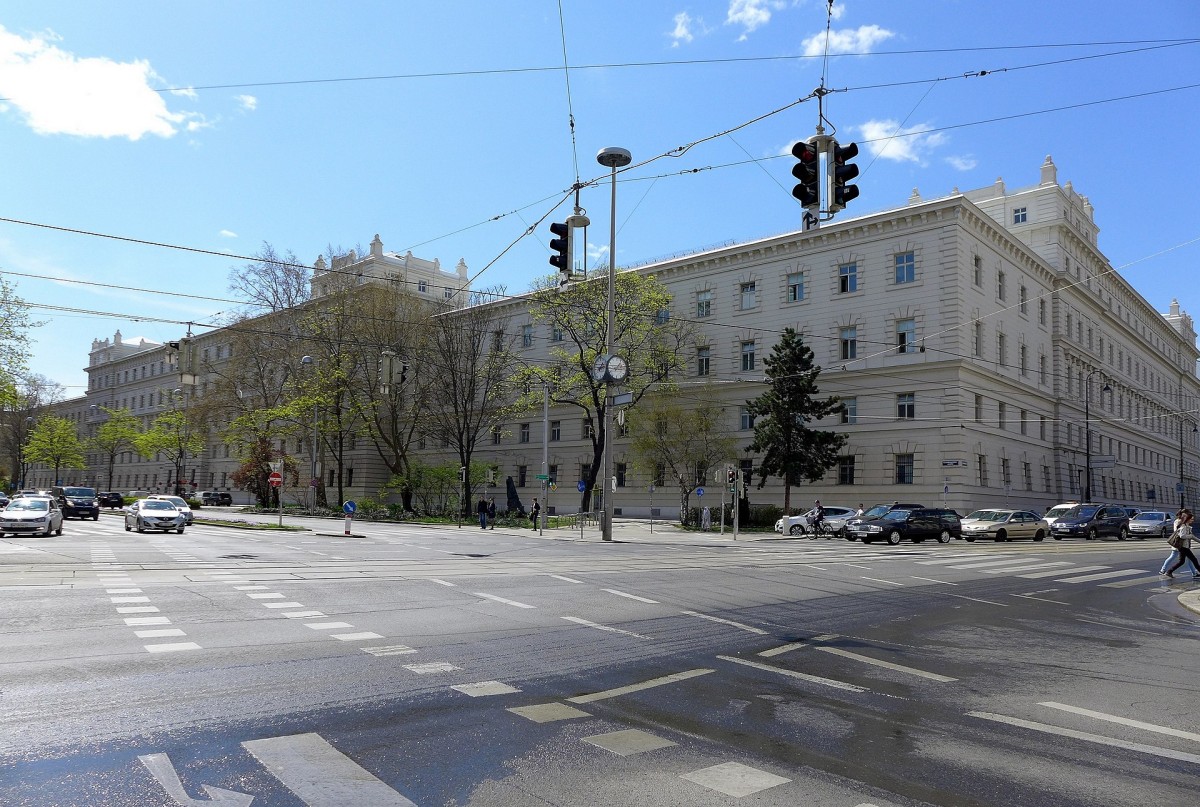 The various allegations against former constitutional protection officer Egisto Ott are being heard at the Vienna Regional Criminal Court. / Picture: © Wikimedia Commons / Dnalor 01 / CC BY-SA 3.0 AT (https://creativecommons.org/licenses/by-sa/3.0/at/deed.en)
On the sixth day of the trial, the testimony of a 49-year-old Bulgarian woman caused a stir, as reported by ORF. The woman, who worked inconspicuously as a medical assistant in Vienna, confessed to extensive surveillance activities in the Austrian capital. Her targets: investigative journalist Christo Grozev and former high-ranking BVT officials.
Particularly bizarre was the witness's claim that she believed she was participating in a harmless “student project.” She was recruited by a fellow Bulgarian who had been convicted in London in March 2025 as part of a six-member spy ring. This ring was under the direct control of fugitive ex-Wirecard manager Jan Marsalek. “Filming took place in the apartment. My job was to change the memory cards and upload the footage to the internet,” the witness told the court.
The surveillance was professionally organized: an apartment was rented opposite Grozev's apartment in the Neubau district, from which cameras monitored the entrance area around the clock. Grozev, known for his revelations against the Kremlin, left Vienna in February 2023 for security reasons.
The trail of the “watered” cell phones
Another central aspect of the trial concerns three cell phones belonging to senior officials of the Ministry of the Interior, as reported by ORF. These devices fell into the Danube during a company outing in 2017. What initially sounded like a mishap turned out to be a highly explosive security breach.
According to the indictment, these cell phones ended up in the hands of the Russian FSB via Egisto Ott. A private detective testified that Ott had given him a USB stick containing extracted data from these phones for safekeeping at the Oberlaa thermal spa. While Ott claims to have smashed the devices with a hammer and dissolved them in hydrochloric acid, the public prosecutor's office assumes that he received 50,000 euros for handing over the hardware to Marsalek's middlemen.
Of lederhosen and state secrets
The questioning about the so-called “lederhosen photos” took on almost grotesque proportions, as reported by DiePresse. Ott is accused of passing on pictures showing two BVT officers and a South Korean intelligence agent buying traditional costumes and in a karaoke bar.
One of the officials involved emphasized the seriousness of the breach of trust: in the world of intelligence services, exposing partners—even in lederhosen—is sacrilegious. For him, these photos were “fundamentally a state secret,” as their publication would have massively jeopardized international cooperation.
A witness in fear for his life
The week before was overshadowed by the absence of a key witness, as reported by ORF. A renegade FSB officer, whose whereabouts Russia allegedly tried to locate with Ott's help, informed the court in writing that he would not appear for fear of his life. He accused the Austrian authorities of not providing adequate protection.