




Dance Fever Defies Economic Downturn: The 2026 Ball Season as an Economic Driver
While the Austrian economy is struggling to emerge from recession, a long-standing tradition is ensuring full coffers in the retail sector: the ball season. Despite tight budgets, Austrians are not letting anything dampen their enthusiasm for dancing. According to the latest Consumer Check by the Austrian Retail Association, one in six citizens (17%) plans to attend at least one dance event this year. The younger generation, in particular, is driving this trend forward.
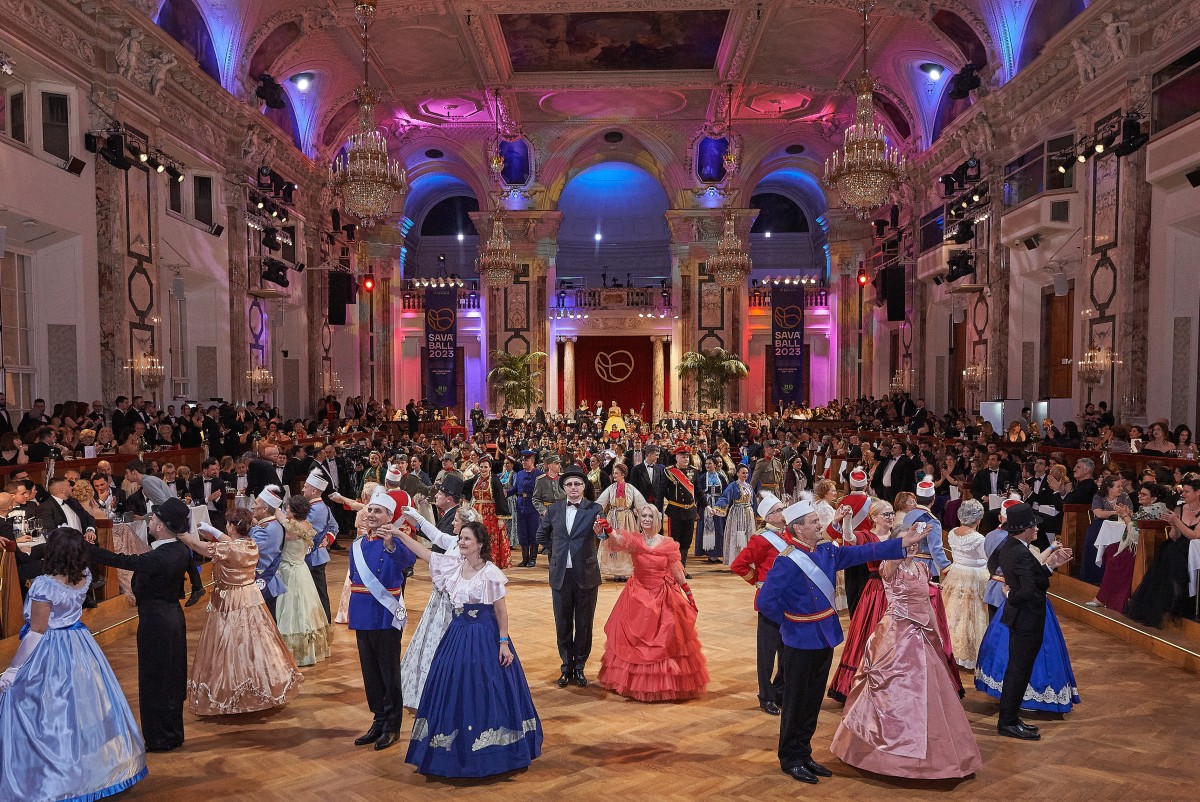 Despite challenging economic conditions, balls remain a relevant driver of retail sales. / Picture: © Serbisches Zentrum / Dino Rekanovic
The economic significance of the ball season is considerable. On average, ball guests spend €201 per capita on preparatory purchases. Most of this money goes to brick-and-mortar specialty stores, which score points for their advice and short-term availability.
The core expenditures are evening wear (dresses, suits), traditional costumes, shoes, and accessories, as well as beauty and styling in the form of cosmetics and perfumery products, which are also very popular. The gap is widening: while the median expenditure is €100, luxury investments in elaborate gowns are driving up the average.
Interestingly, this €201 does not include the cost of ball tickets, travel, and food and drink. Guests will have to dig deeper into their pockets this year, especially for prestigious events: a ticket for the Vienna Opera Ball on February 12, 2026, costs over €400 for the first time (€410 including solidarity contribution).
Gen Z: The new stars on the dance floor
Contrary to the cliché of “dusty” traditions, it is primarily Generation Z (18 to 28 years old) that is storming the ballrooms. A sensational 41 percent of this age group are definitely planning to attend a ball. By comparison, only 8 percent of baby boomers are doing so.
This trend is also fueled by social media, where “analog rituals” and the community experience are making a comeback. For retailers, this means a shift in target groups toward younger shoppers who are investing more in fashion and beauty innovations.
Popular types of balls & regional strongholds
Not every ball has to be as glamorous as the Opera Ball. Austrians prefer variety, such as carnival and masked balls (31%), school and university balls (28%), and farmers' balls (21%). Styria and Carinthia lead the regional rankings (each with 19% of ball attendees), while Vienna, with its enormous density of around 450 balls, stands at 17%.
Trends for 2026: “Chocolate Brown” and “Skinimalism”
If you want to score fashion points this year, you need to set new accents. According to stylists, dresses in chocolate brown, emerald green, or burgundy are particularly in demand for the 2026 season. When it comes to makeup, the “glow” look dominates—a natural radiance combined with shimmering accents on the eyes.
“The ball season is not a luxury phenomenon, but an important economic factor with a broad regional impact,” emphasizes Rainer Will, managing director of the trade association. Especially in a year in which economic growth in Austria is expected to be only moderate at around 1.1% according to WIFO forecasts, private consumption around the ball night is an essential pillar for the domestic market.