




OSCE Diplomatic Visit to Ukraine: Aid for the Civilian Population and the Release of Detained Staff Members
Amid ongoing Russian aggression, a high-level delegation of ambassadors from 23 member states of the Organization for Security and Cooperation in Europe (OSCE) has concluded a three-day working and solidarity visit to Ukraine. The visit, organized by the Swiss OSCE Chairmanship through the Permanent Mission in Vienna and the OSCE Project Coordinator in Ukraine, Ambassador Petr Mareš, sent a clear message of support for the Ukrainian civilian population and the country’s resilience.
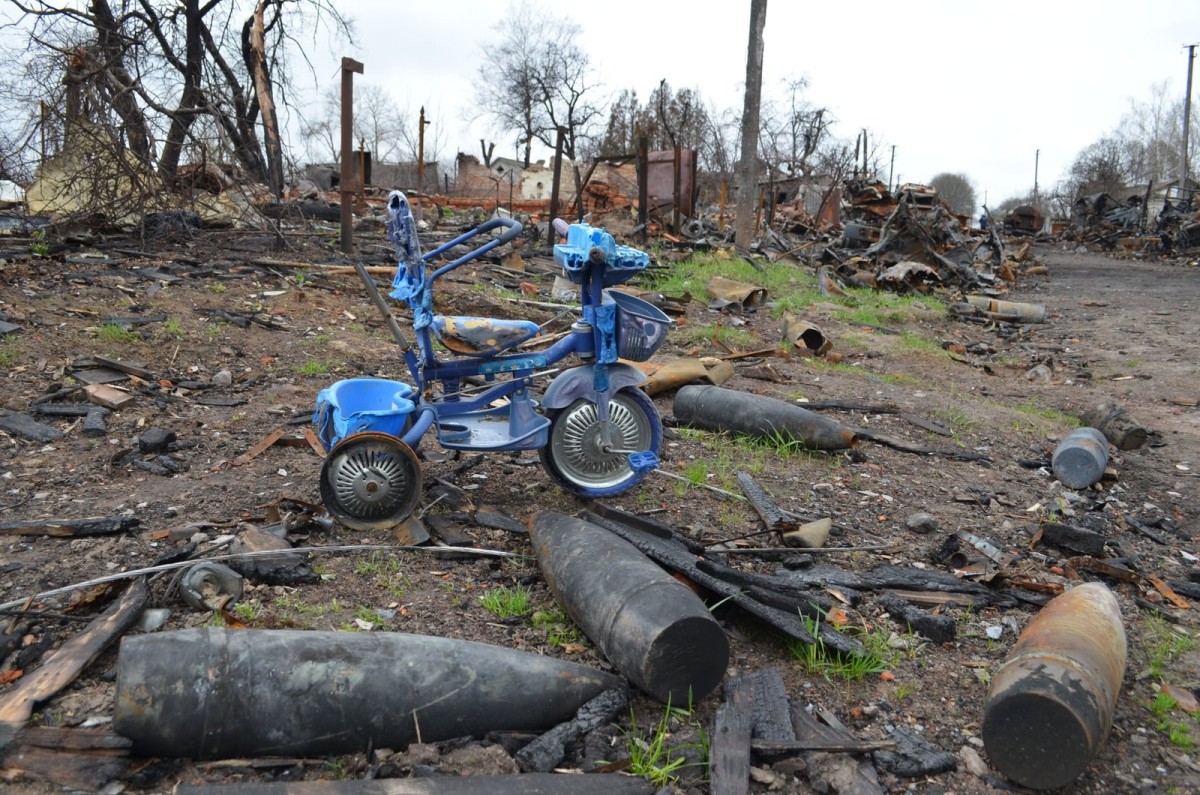 OSCE Ambassadors visited Ukraine to emphasize the organization's efforts to alleviate the war's impact on the population. / Picture: © Wikimedia Commons / State Emergency Service of Ukraine/ CC BY-SA 4.0 (https://creativecommons.org/licenses/by-sa/4.0)
Immediately upon their arrival in Kyiv, representatives from 23 partner countries—including representatives from Austria, Belgium, Bulgaria, Canada, Czechia, Denmark, Estonia, Finland, France, Germany, Greece, Iceland, Ireland, Italy, Lithuania, Luxembourg, Malta, Norway, Poland, Romania, Slovenia, the United Kingdom, Switzerland, and Ukraine—met with high-ranking Ukrainian government and parliamentary officials. The delegation was received by, among others, the Speaker of the Verkhovna Rada, Ruslan Stefantschuk; Acting Foreign Minister Andrii Sybiha; Deputy Foreign Minister Mariana Betsa; and First Deputy Head of the Presidential Office, Sergiy Kyslytsya.
During the talks, Sergiy Kyslytsya emphasized that the OSCE remains an indispensable political platform for maintaining international pressure on Russia, documenting war crimes, and demanding accountability from those responsible. Together with Deputy Foreign Minister Mariana Betsa, the diplomats also paid tribute to the fallen Ukrainian defenders at the memorial wall near St. Michael’s Monastery.
“We have once again reaffirmed our strong condemnation of Russia’s war against Ukraine and the attacks on civilians and civilian infrastructure throughout the country. The Swiss Chairmanship remains committed to a comprehensive, just, and lasting peace for Ukraine, based on international law and the Helsinki Final Act,” said Ambassador Raphaël Nägeli, Chair of the OSCE Permanent Council.
Strong Demand: Immediate Release of Three Detained OSCE Staff Members
A key diplomatic appeal concerned the fate of three Ukrainian OSCE staff members: Vadym Golda, Maksym Petrov, and Dmytro Shabanov. The diplomats demanded the immediate and unconditional release of the three men, who Russian forces have unlawfully and arbitrarily detained for over four years.
Concrete Assistance on the Ground: Search for Missing Persons, Demining, and Reintegration
In addition to high-level political meetings, the practical benefits of OSCE projects were a central focus of the trip. In Kyiv, the delegation attended a formal handover ceremony for OSCE-funded specialized equipment. This equipment is intended to assist in the search for and identification of missing persons—particularly children who have been forcibly abducted—as well as to support the effective control of small arms and light weapons.
In Lviv, the focus was on addressing the psychosocial and economic consequences of the war. The ambassadors visited the “Tviy” Children’s Center, which is supported by the OSCE Special Program and provides emotional and psychological support to children and families affected by the war. They also toured the renowned rehabilitation centers UNBROKEN and Superhumans and were briefed on initiatives to reintegrate war veterans into society.
During the meeting, Lviv Mayor Andriy Sadovyi emphasized that Ukraine is no longer merely a recipient of international aid but is now in a position to share valuable knowledge and experience regarding social resilience and coping with war crises.
The Special Support Program (SPU)
All on-site projects are implemented through the OSCE Special Support Program for Ukraine (SPU), which was launched in November 2022. The total budget for OSCE projects in Ukraine for the period 2022–2028 amounts to approximately 60 million euros, funded by 36 donor states and the European Union. For the current phase (2025–2028)—also known as the second phase—39 million euros have been allocated to implement 17- 21 core projects. Priority areas include humanitarian demining, psychosocial support for children and veterans, combating human trafficking and gender-based violence, strengthening the rule of law, judicial reform, and the protection of free media.
“Ensuring that the OSCE can provide effective assistance on the ground is one of our top priorities. The projects we saw during the visit exemplify what the OSCE can achieve even in times of war: building capacity, supporting legal reforms, and strengthening societal and institutional resilience,” said Ambassador Raphaël Nägeli.