




Japans Nuclear Turnaround: World's Largest Nuclear Power Plant Returns to the Grid, IAEA Confirms Safety at Fukushima
Almost 15 years after the triple disaster in Fukushima, Japan is making a radical U-turn in its energy policy. While the damaged Fukushima Daiichi power plant remains a task for generations to come, the country is preparing to restart the world's most powerful nuclear power plant. This course is supported by a recent report from the International Atomic Energy Agency (IAEA), which gives Japan an excellent rating for its disposal of filtered cooling water.
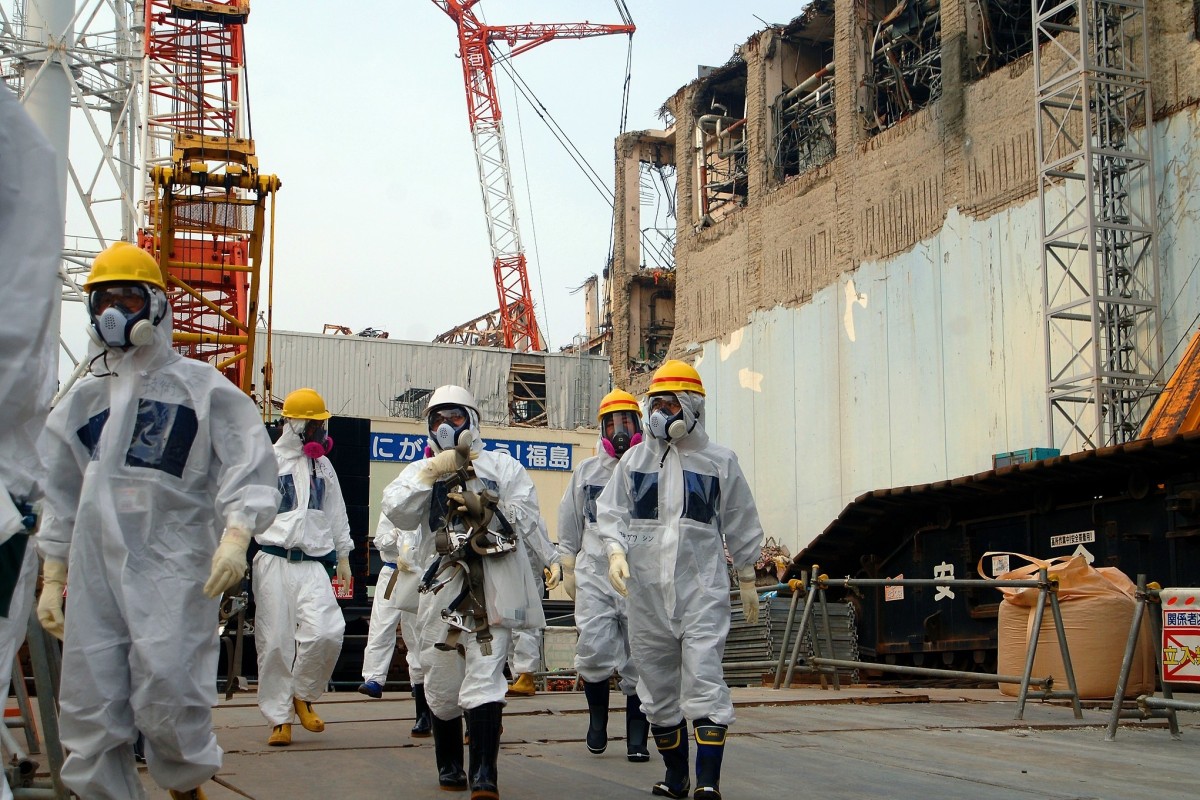 IAEA experts departed Unit 4 of TEPCO's Fukushima Daiichi Nuclear Power Station in 2013 as part of a mission to review Japan's plans to decommission the facility. / Picture: © Wikimedia Commons / Flickr / IAEA Imagebank / Greg Webb, CC BY-SA 2.0 (https://creativecommons.org/licenses/by-sa/2.0)
After years of stagnation and extensive safety upgrades, the Niigata Prefectural Assembly has cleared the way for the restart of the Kashiwazaki-Kariwa power plant. With a capacity of over 8,000 megawatts, it is the world's largest nuclear power plant.
Following a vote of confidence, Governor Hideyo Hanazumi received political backing to restart reactor number 6, which is expected to take place on January 20, 2026. This is the first time since the 2011 disaster that the operator TEPCO (Tokyo Electric Power Company) has been granted a license to operate one of its nuclear power plants. In order to meet the strict requirements of the Japanese Nuclear Regulation Authority (NRA), the plant has been equipped with a 15-meter-high protective wall against tsunamis and improved filter systems, among other things.
IAEA confirms: Water discharge in Fukushima remains safe
Parallel to the expansion of capacity, Japan is pushing ahead with the dismantling of the ruins in Fukushima. A key issue that is being critically monitored internationally is the discharge of so-called ALPS-treated water into the Pacific Ocean.
The week before, an IAEA task force completed its tenth inspection mission. The result is clear: the process fully complies with international safety standards, the transparency surrounding the tritium concentrations of the 17 batches discharged to date is well below the operational limits, and experts from 11 countries, including critics such as China and Russia, were involved in the review.
Gustavo Caruso, chairman of the task force, praised Japan's “continuous commitment” to maintaining transparency through real-time monitoring.
Political realignment under Sanae Takaichi
The push to return to nuclear energy is closely linked to the new Prime Minister, Sane Takaichi. Japan wants to drastically reduce its dependence on expensive fossil fuel imports. Before 2011, nuclear power covered around 30% of Japan's electricity needs, a target that the Takaichi government is aiming to achieve again as part of its “Green Transformation” strategy, while also meeting its climate targets.
One shadow remains: the arduous dismantling process
Despite progress in water disposal and reactivations, the core business in Fukushima remains a Herculean task. The recovery of around 880 tons of melted fuel material in the destroyed reactors is considered uncharted technical territory. The actual removal of the material will not begin before 2037. Experts are increasingly doubtful that the dismantling can be completed by 2051 as planned.
Additional Background Information
After prolonged resistance and an import ban on Japanese seafood, Japan and China agreed on an expanded monitoring system in late fall 2024. This allowed Chinese experts to take their own samples in Fukushima, which noticeably reduced tensions in 2025.
The Japanese government has enshrined in its basic energy plan the goal of increasing the share of nuclear energy to 20-22 percent by 2030, in order to achieve net-zero emissions by 2050.
The Advanced Liquid Processing System (ALPS) can remove 62 different radionuclides from water. The only element that cannot be filtered out economically using this technology is tritium. For this reason, the water is diluted heavily with seawater before being discharged, reducing the tritium concentration to below 1,500 becquerels per liter – about one-seventh of the WHO limit for drinking water.