




IAEA and International Financial Institutions Strengthen Cooperation
Representatives from the World Bank Group, the Asian Development Bank (ADB), the European Bank for Reconstruction and Development (EBRD), and the OPEC Fund for International Development met at the Vienna International Centre of the International Atomic Energy Agency (IAEA) to discuss recent progress in financing nuclear energy projects. The meeting was part of a new phase in which cooperation between the IAEA and multilateral development banks is moving from purely diplomatic dialogue to tangible projects.
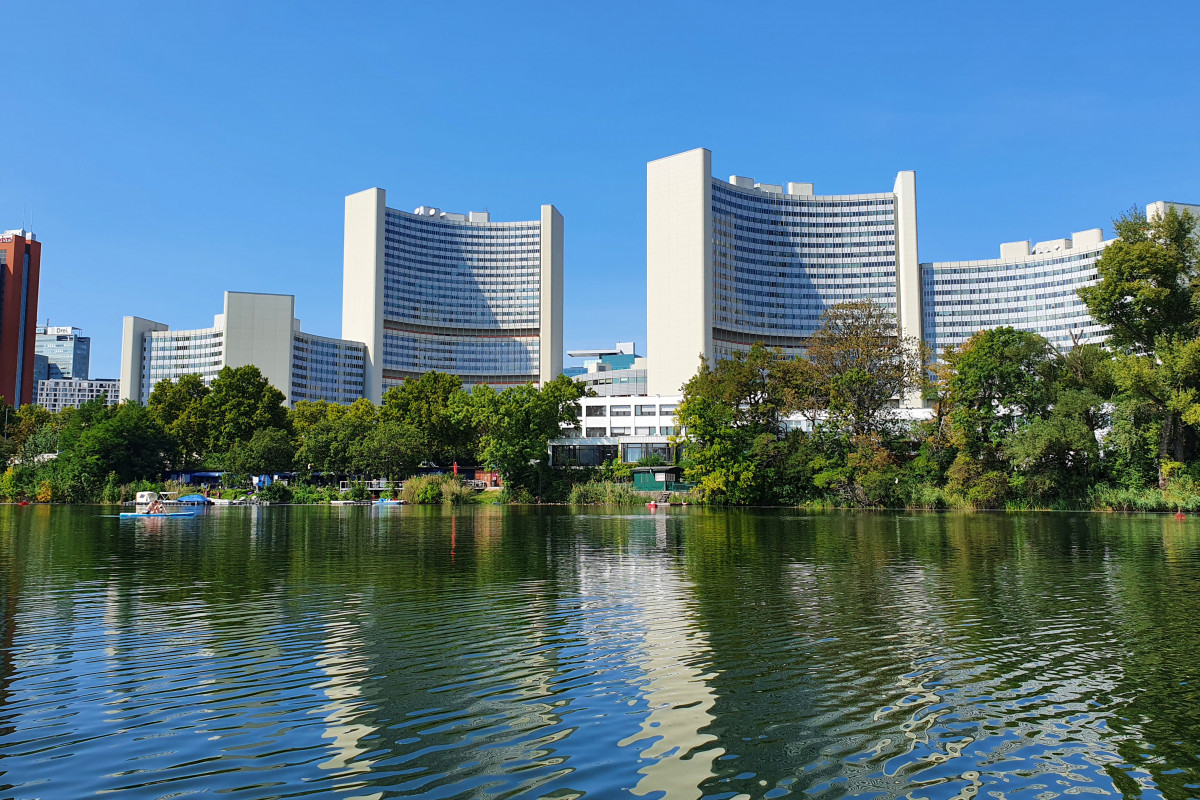 The IAEA hosted a workshop in the Vienna International Centre with the World Bank Group, the European Bank for Reconstruction and Development (EBRD), the Asian Development Bank (ADB), and the OPEC Fund for International Development. / Picture: © Vindobona.org
In June 2025, IAEA Director General Rafael Mariano Grossi and World Bank President Ajay Banga signed a Memorandum of Understanding (MoU) that established cooperation in three areas: building nuclear expertise within the World Bank, supporting the long-term operation of existing nuclear power plants, and promoting small modular reactors (SMRs). The agreement marked the World Bank's first step in decades toward returning to nuclear energy financing.
The IAEA, @WorldBank and other international financial institutions and multilateral development banks shift collaboration from diplomacy to concrete delivery, as the IAEA deepens its support for their efforts to advance nuclear energy for development.
— IAEA - International Atomic Energy Agency (@iaeaorg) January 27, 2026
Following a landmark… pic.twitter.com/mlXiGqy5s8
At the workshop in Vienna, these guidelines were specified in more detail and extended to other institutions. In addition to the World Bank, experts from the ADB, the EBRD, and the OPEC Fund presented their respective priorities—from radioactive waste disposal and emergency and crisis management to the preliminary studies that investors need before making major financing decisions.
Why financial institutions are now getting more involved
“The focus is now on delivery,” Grossi emphasized. He pointed out that many developing countries, especially in Asia and Africa, are looking for reliable base load power to meet growing electricity demand while achieving their climate goals. SMR technologies are considered particularly attractive because they can be built relatively quickly and require less capital—a crucial factor as long as financing remains a hurdle.
Representatives of the participating banks also emphasized the importance of environmental and social standards. Gerardo Parco from the OPEC Fund stressed that such standards are “not mere formalities, but the backbone of responsible investment.” EBRD Director Debbie Cousins also pointed out that the IAEA's many years of experience with over 170 member states provide a solid foundation for assessing ESG risks.
Regional workshops and other partners
The Vienna workshop is intended to serve as a model for future, regionally tailored events. The ADB is already planning a similar meeting for Southeast Asia to support the introduction of nuclear energy programs there. At the same time, the extent to which other multilateral development banks can join the network to establish a global financing ecosystem for safe and sustainable nuclear energy is being examined.