




Data Breach Scandal and Egisto Ott: Are 36,368 Police Officers in the Crosshairs of Kremlin Spies?
It is a scenario that is shaking the very foundations of Austria’s security architecture: the personal data of tens of thousands of Ministry of the Interior employees—including undercover investigators and national security agents—may have fallen into the hands of Russian intelligence. What began as a bureaucratic data breach may be turning into the biggest espionage case in the history of the Second Austrian Republic.
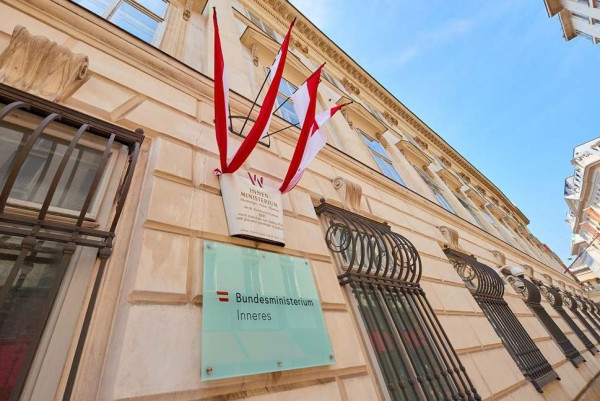 Sensitive personal data belonging to 36,368 Austrian police officers, state security agents, and undercover investigators reportedly fell into the hands of Russian spies. The Federal Ministry of the Interior is alarmed. / Picture: © BMI Bundesministerium für Inneres / Alexander Tuma
Rupert Ortner (61), a chief inspector from Linz, is one of the 36,368 people affected, as reported by “Der Falter.” As he sits in Café Traxlmayr in Linz, he reflects on a case he describes as “a criminal case that no one cares about.” Yet the justice system has now taken a keen interest. The trial against former constitutional protection officer Egisto Ott is currently continuing at the Vienna Regional Court.
The prosecution’s charge is serious, as reported by ORF: Ott is alleged to have passed on the complete electronic personnel directory of the Ministry of the Interior (BMI) on March 4, 2020. This list contains not only names but also sensitive data regarding employment and salary regulations for all civil servants who were on duty as of February 1, 2018.
The trail to the Kremlin and the FPÖ
Investigators from the Federal Criminal Police Office (BKA) stumbled upon a hot lead as early as September 2021. During a search of the home of former FPÖ security spokesman Hans-Jörg Jenewein, a USB drive containing exactly this data was seized. Jenewein claimed the data had been anonymously leaked to him.
Particularly explosive as reported by Profil: Egisto Ott is suspected of having acted as Moscow’s “long arm” for years. He is said to have maintained close contact with fugitive former Wirecard manager Jan Marsalek, who in turn is considered a middleman for Russian intelligence services. In seized chat logs, Ott is described as a systematic informant who is even alleged to have brokered the sale of a SINA high-security laptop for 20,000 euros to Russian authorities.
Justice Takes Unusual Approach
Since it is logistically impossible to inform all 36,368 affected individuals individually, the Vienna Senior Public Prosecutor’s Office (OStA) has taken an unprecedented step: The police officers were informed of the theft of their data via the Ediktsdatei (a public online database of the judiciary). “A written notification would paralyze the justice system,” said OStA spokesperson Wolfgang Wohlmuth.
The affected officers are now free to join the proceedings as private parties. The first demands for damages are already being made. The charges include breach of confidentiality and abuse of office.
Political and Legal Consequences
The case has already had political consequences: In response to the Ott affair, the federal government plans to tighten the espionage law. In the future, espionage in Austria will also be a criminal offense if it is directed against international organizations or friendly states—a loophole that Ott allegedly exploited.
Until a final judgment is handed down, Egisto Ott is presumed innocent. His defense attorney denies the allegations that he worked for Moscow. But for police officers like Rupert Ortner, the uneasy feeling remains that their identities may have long since ended up in the archives of the FSB in Moscow.