




Between Reconstruction and Winter Aid: Austria's New Role in the Middle East and Ukraine
In a period of global instability, the Austrian Foreign Ministry (BMEIA) is increasingly focusing on a dual strategy of forward-looking economic aid in the Middle East and urgent humanitarian support for Ukraine. While Vienna debates the economic opportunities in Gaza and Syria, millions more are being spent on protecting the Ukrainian civilian population from the harsh winter.
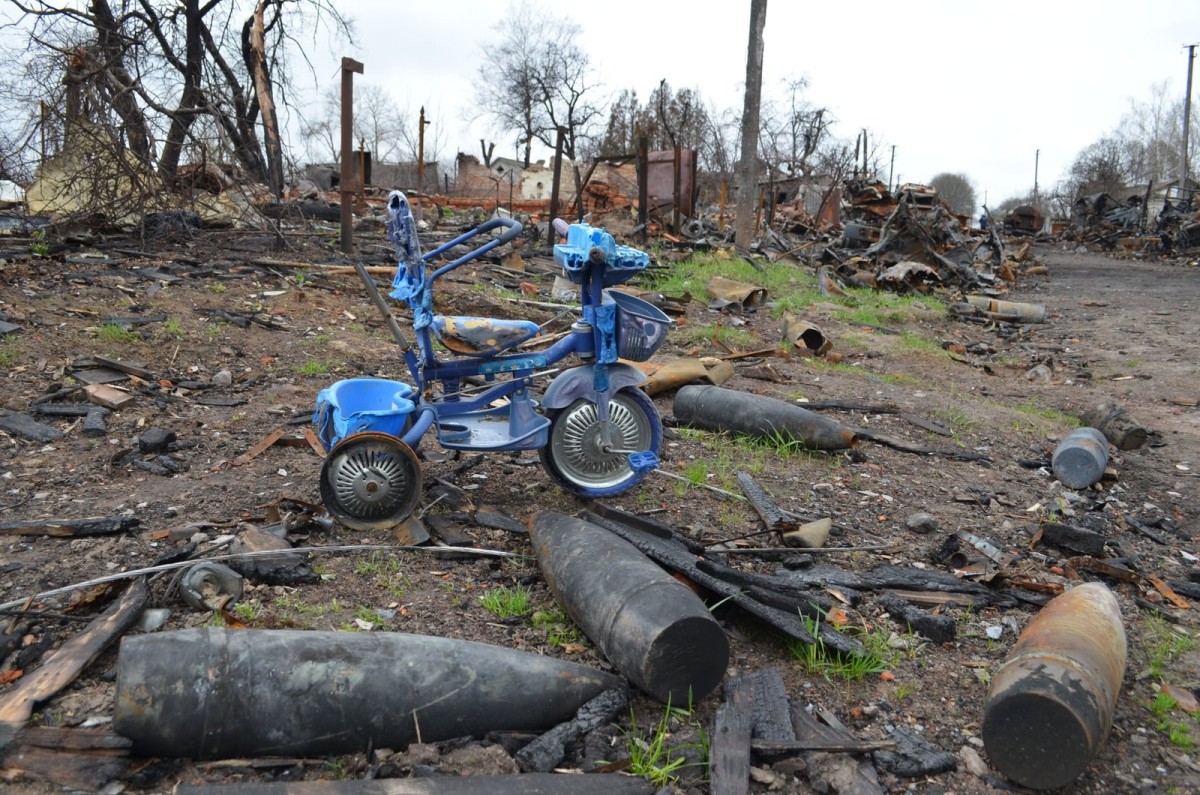 Austria is not abandoning the people of Ukraine amid the dramatic destruction in the fourth winter of war. / Picture: © Wikimedia Commons / State Emergency Service of Ukraine/ CC BY-SA 4.0 (https://creativecommons.org/licenses/by-sa/4.0)
Austria is increasing its foreign policy presence in two major hotspots. The Foreign Ministry (BMEIA) in Vienna is preparing for future reconstruction in Gaza and Syria. At the same time, a new multi-million euro pledge will help the civilian population survive Ukraine’s fourth winter of war.
Strategic vision: the economy as a factor for peace
Under Arad Benkö, Special Representative for the Middle East, a high-level round table took place at the Foreign Ministry on January 22. About 30 representatives attended, including the Federation of Austrian Industries and AUSSENWIRTSCHAFT AUSTRIA. They discussed future investment opportunities in Gaza and Syria.
Austrian Foreign Minister Beate Meinl-Reisinger emphasized that economic stability is a prerequisite for lasting peace and the reduction of irregular migration. Austria is preparing to participate in two key EU missions:
Firstly, the EU BAM Rafah is a mission aimed at professionalizing border controls at the crossing between Gaza and Egypt. It is considered a crucial instrument for restoring trust between the parties to the conflict. Secondly, the EUPOL COPPS mission, in which Austrian expertise is supporting the establishment of a functioning Palestinian police force and judiciary in line with Western standards.
The new dynamic with regard to Syria is particularly noteworthy. Following the lifting of numerous sanctions by the EU, the UN, and the US, Vienna is now focusing on an “early recovery” strategy. The aim is to stabilize state institutions to such an extent that the Syrian civilian population is once again offered prospects locally and refugees are able to return.
Ukraine: Fighting “General Winter”
Parallel to long-term planning in the Middle East, the situation in Eastern Europe requires immediate action. In the fourth year of the war, Russia is increasingly focusing on destroying energy infrastructure. With over 250 recorded attacks on power plants and heating stations since the start of the heating season alone, the situation is dramatic, according to UN figures.
Chancellor Christian Stocker and Vice-Chancellor Andreas Babler announced an increase in aid of three million euros from the Foreign Disaster Fund (AKF). The funds will go directly to the ICRC, UNICEF, and the UNHCR.
"With temperatures below freezing, over a million people are without heating and water. We are contributing to the construction of winter-proof emergency shelters," explained Vice Chancellor Babler.
According to current data from the UN Office for the Coordination of Humanitarian Affairs (UNOCHA), around 3.7 million people are currently displaced within Ukraine (internally displaced persons), while a total of almost 11 million people are in urgent need of assistance. The Austrian funds will be used primarily to repair heating systems in the areas particularly affected, such as Kyiv, Kharkiv, and Sumy, and to provide generators.
Security through stability
The message from the Foreign Ministry is clear: humanitarian aid and economic reconstruction are two sides of the same coin. Whether through the repair of generators in Ukraine or the deployment of customs experts to the Middle East, Austria is positioning itself as a reliable partner for stability in order to reduce migration pressure on Europe in the long term.