




Behind-the-Scenes Diplomacy in Vienna: Former Top European and Russian Officials Discussed a Peace Plan for Ukraine
A confidential meeting took place in July in Vienna, the capital of Austria. Former high-ranking diplomats and officials from the United Kingdom, France, Germany, and Russia gathered to discuss possible terms for negotiations to end the war in Ukraine.
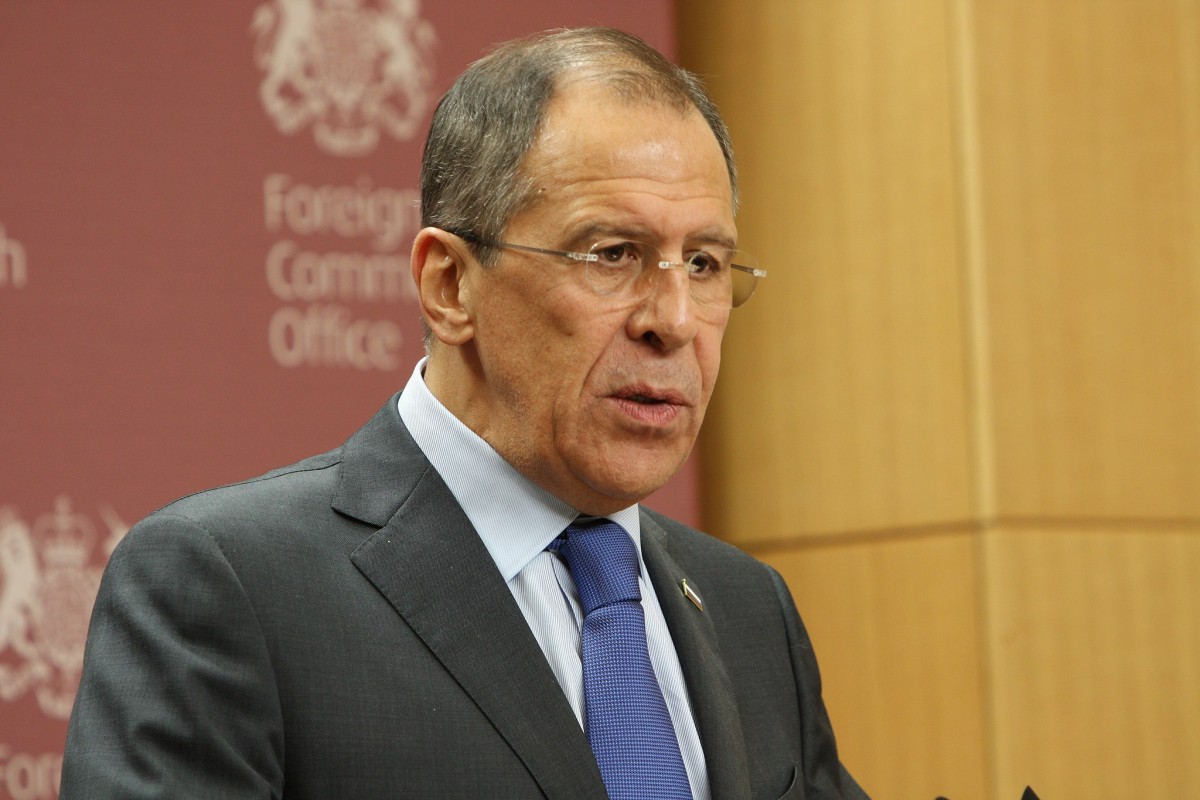 Russia is engaged in confidential discussions with some European countries regarding the conditions to conclude the war in Ukraine, according to Russian Foreign Minister Sergey Lavrov. / Picture: © English: Foreign and Commonwealth Office Wikimedia Commons / English: Foreign and Commonwealth Office, OGL v1.0OGL v1.0
As reported by the Bloomberg news agency, several prominent former diplomats and government advisors met in secret in Vienna in July 2026. The purpose of the meeting was to explore possible parameters for a peaceful resolution of the Russian-Ukrainian conflict.
Prominent Participants in the Western Delegation
According to sources familiar with the matter, the Western participants included Tim Barrow, former National Security Advisor of the United Kingdom; Markus Ederer, former State Secretary at the German Foreign Office and former EU Ambassador to Russia; and Pierre Vimont, an experienced French diplomat and former Executive Secretary of the European External Action Service.
The exact identities of the Russian counterparts have not yet been officially confirmed; however, they are said to be former Kremlin officials.
Government Reactions: Unofficial Initiatives (“Track II Diplomacy”)
The governments of the participating countries stated that they were not directly involved in the organization. The German Foreign Office clarified that the talks were conducted neither on behalf of nor in coordination with the ministry. Kremlin spokesperson Dmitry Peskov also declined to comment officially. However, it is reported that British authorities welcomed the initiative and that France was informed of the contacts.
Experts classify such meetings as classic “Track II diplomacy” (back-channel or expert diplomacy). In this context, former officials and think tanks use private settings to keep diplomatic channels open and test potential solutions that can later be incorporated into official government channels.
As early as the beginning of February 2026, Russian Foreign Minister Sergey Lavrov had stated that there had been repeated confidential contacts at the technical and unofficial levels between European actors and Moscow. He stated that these talks, initiated by European leaders, often remain private at their request. Lavrov noted that these meetings have not yielded new proposals, with conversations largely centered around the end of hostilities. While leaders like French President Emmanuel Macron and Italian Prime Minister Giorgia Meloni have called for dialogue with Moscow, many European nations, including the UK, remain skeptical, believing Putin is not serious about peace negotiations. Prior secret discussions took place at the Kremlin in early February 2026, indicating ongoing, albeit contentious, diplomatic efforts.
Parallels to Secret Meetings in Baku
The meeting in Vienna is not the only informal initiative of this kind, also reported by Bloomberg some months earlier. Just recently, Azerbaijani President Ilham Aliyev reported on a similar secret meeting in Baku in mid-July. The German representatives were Ronald Pofalla (former head of the Chancellor’s Office under Angela Merkel) and Matthias Platzeck (former SPD party chairman). The Russian representatives were Viktor Subkov (former prime minister and chairman of Gazprom’s supervisory board) and Valery Fadeyev (head of the Russian Human Rights Council).
Such informal talks typically lack official approval and serve to exchange ideas for potential diplomatic resolutions. These ideas may later be passed through official government channels.