




Vienna Budget Turnaround: Deficit Surprisingly Shrinks to €2.8 Billion
The federal capital's 2025 financial year is taking an unexpected turn. According to the latest forecasts from Mayor Michael Ludwig's (SPÖ) office, the budget deficit will be significantly lower than originally feared at €2.8 billion. While the city government is hailing this as a success, the opposition is voicing sharp criticism.
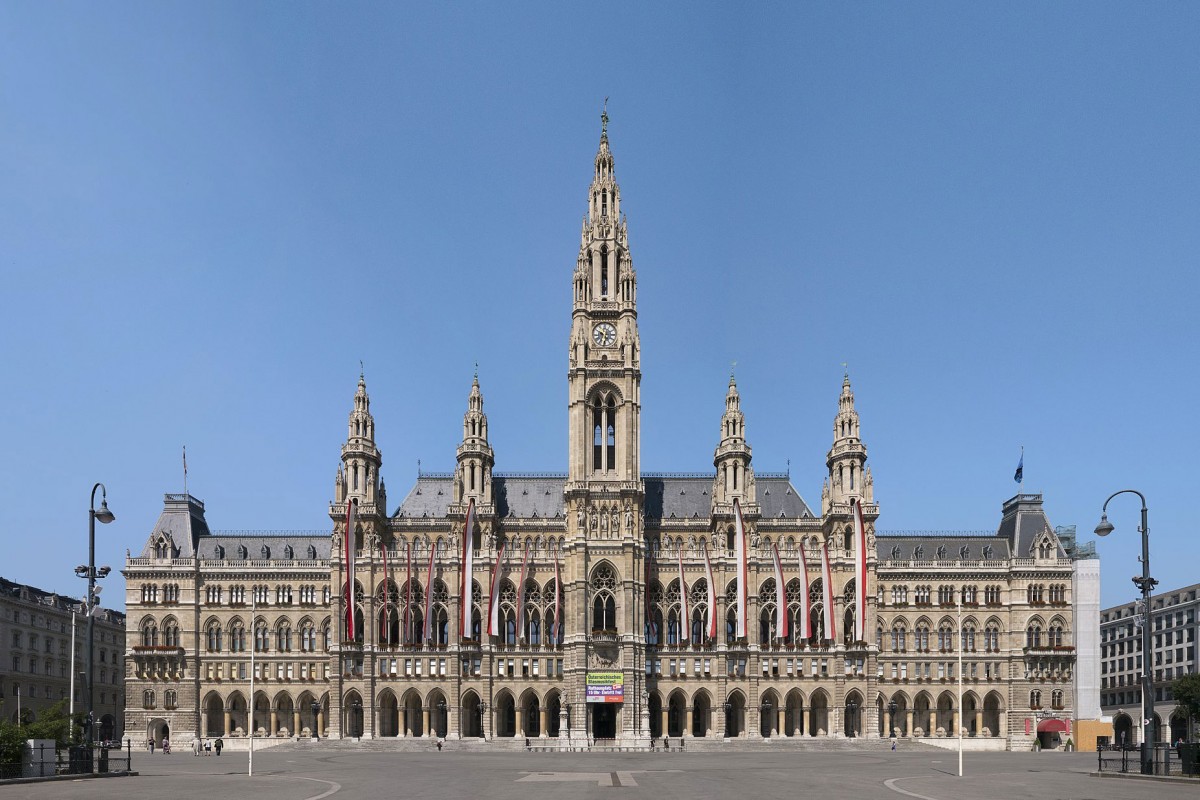 Whether the city can maintain the “balancing act” between investment and savings will become clear in June 2026, when the final accounts for 2025 are available. / Picture: © Wikimedia Commons / Thomas Ledl / CC BY-SA (https://creativecommons.org/licenses/by-sa/4.0)
The original estimate for 2025 had been a deficit of around €3.8 billion. A quarterly report to the municipal council's finance committee, which has now been published, corrects this figure downwards by a full billion. Nevertheless, the financial situation remains tense: the original 2024/25 double budget had assumed a significantly smaller deficit of 2.2 billion euros.
Interest savings and debt level
The correction has a direct impact on the city's debt. Instead of the forecast €14.9 billion, the debt level at the end of 2025 is expected to be €14.4 billion. The lower deficit also reduces the interest burden on the city treasury by an estimated €50 million.
Mayor Michael Ludwig defended the course: “Consolidation will only be successful if we simultaneously increase employment and invest in future-oriented industries.” Finance Councilor Barbara Novak (SPÖ) also emphasized that despite the austerity measures, social standards and public services would remain secure.
Opposition speaks of “sleight of hand”
The Viennese opposition parties reacted with outrage to the new assessment, as reported by ORF. FPÖ Vienna leader Dominik Nepp described the figures as "fiscal madness," warning that the debt level could nearly double to around 28 billion euros by 2030. Nepp specifically criticized new taxes and fee increases, claiming these would place a burden on the population.
ÖVP Vienna chairman Markus Figl expressed similar concerns, calling for what he termed an “honest consolidation path.” Figl and the People's Party identified the primary potential for savings in municipal administration and what they called the “subsidy jungle.” Judith Pühringer, party chairwoman of the Greens, described the ongoing deficit as “sheer mockery,” arguing that, despite the correction, a record deficit remains for which the population will ultimately pay.
Background and outlook for 2026
Additional research shows that, compared to other federal states, Vienna is in the middle of the pack in terms of per capita debt, but cost pressure remains enormous. A draft budget has already been presented for the coming year 2026, which forecasts a deficit of around 2.65 billion euros.
To achieve this goal, the City of Vienna is planning, among other things, a reform of the minimum income system, which is expected to bring savings of around 200 million euros. At the same time, revenues are expected from an increase in the housing subsidy contribution and adjustments to public transport fees.