




Real Estate Market 2025: Salary Increases and Inflation Make Housing More Affordable Again
The Austrian real estate market presents a paradoxical picture at the beginning of 2026: while prices are rising on paper, home ownership is actually becoming more affordable. New data from the Austrian National Bank (OeNB) shows that the combination of strong wage growth and falling real valuations has significantly improved “affordability.”
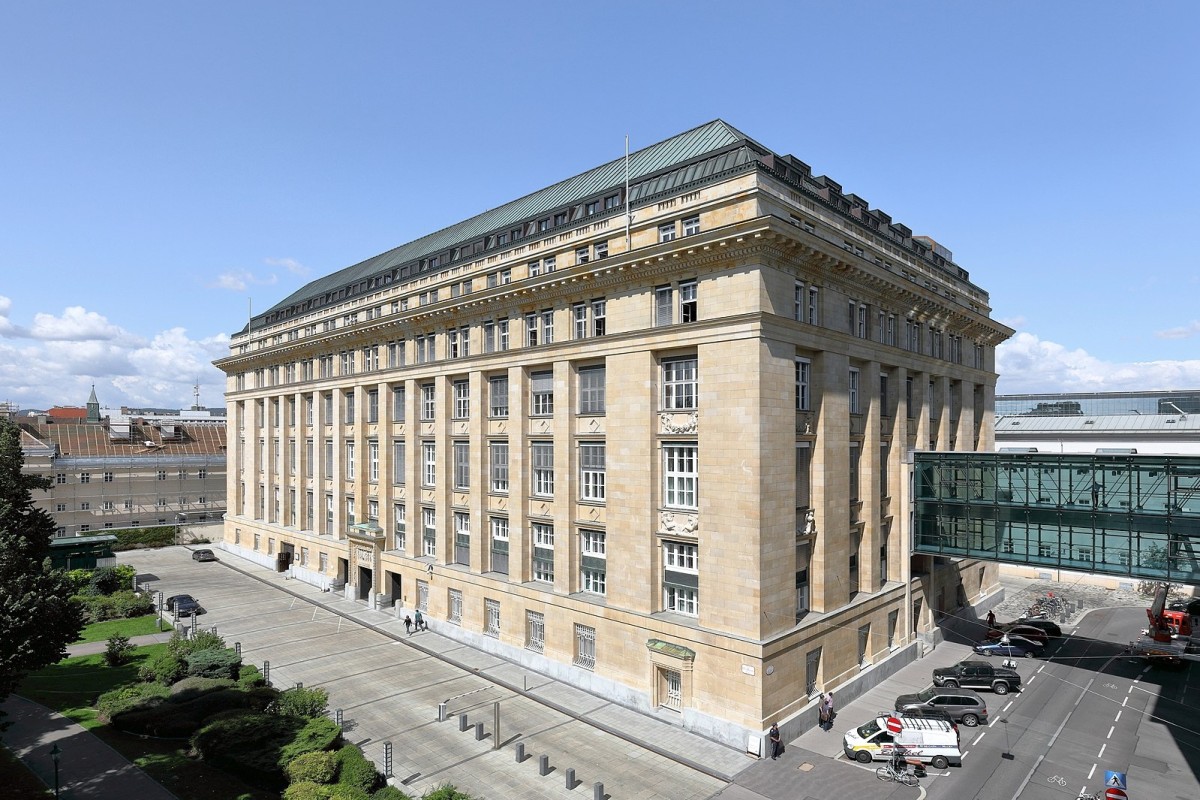 In 2025, residential property prices increased by 2.1 percent nominally but declined in real terms due to significant inflation, as reported by the Austrian National Bank (OeNB). / Picture: © Wikimedia Commons / C.Stadler/Bwag / CC BY-SA 4.0 (https://creativecommons.org/licenses/by-sa/4.0)
Last year, in 2025, residential property prices in Austria climbed by 2.1% in nominal terms. But appearances are deceiving: since the inflation rate was 3.8% in the same period according to Statistics Austria, real estate has actually become cheaper when adjusted for inflation. This trend is particularly evident when viewed over the long term since the interest rate turnaround in fall 2022. While prices have only fallen by 3.3% in nominal terms since then, the real decline is a whopping 16%.
As household incomes rose by around 19% over the same period, OeNB Governor Martin Kocher speaks of a “gradual stabilization” and improved affordability for buyers. Despite the general easing of the situation, however, the regions are drifting apart.
Development of residential property prices in 2025 (change from the previous year):
| Region | Price Change (nom.) |
|---|---|
| Austria total | +2.1% |
| Vienna | +2.9% |
| Austria excl. Vienna | +1.6% |
New construction vs. existing stock: the price trap
There is a striking difference between new and used properties. Existing condominiums reacted much more sensitively to the ECB's interest rate hikes. Between the end of 2022 and mid-2024, prices in Vienna fell by almost 10%. New construction, on the other hand, proved to be “price-resistant.” High land costs and expensive building materials prevented price reductions. As a result, sales of new-build apartments slumped by over 60% at times. It is only since the key interest rate cuts in June 2024 that transactions have slowly picked up again in this sector.
Why interest rates will play a role again in 2026
To complete the picture, it is worth taking a look at the current interest rate landscape and the economic conditions that influence the market. After a phase of restrictive monetary policy, the ECB began to lower interest rates moderately, which reignited demand at the turn of 2026.
The ECB lowered the deposit rate in several steps during 2025, which stabilized construction interest rates for end consumers. Despite improved affordability, the construction industry continues to complain about high regulatory hurdles and the KIM regulation, which strictly regulates lending. As new construction stagnates, many potential buyers continue to turn to the rental market, which keeps price pressure high despite falling real purchase prices.
Conclusion for buyers
The gap between income and real estate prices has narrowed somewhat in 2025. Those with a stable income now find better conditions than three years ago – provided they meet the banks' still strict criteria for lending.