




Problems on the Vienna Housing Market: When the Search Becomes an Agony
Vienna is heading for a historic low in housing construction. While completion figures are plummeting, rents are skyrocketing, and the hurdles for those looking for accommodation are becoming increasingly absurd. Experts warn that without political countermeasures, the city faces a social crisis.
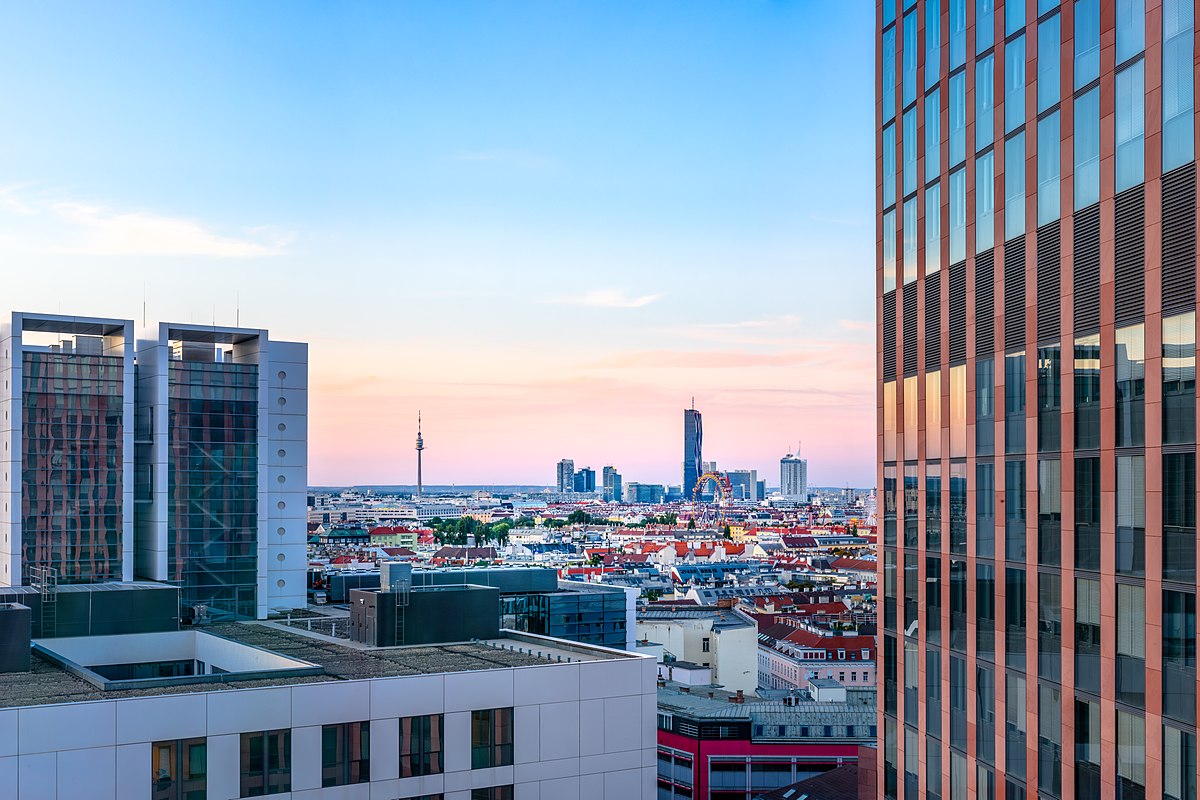 There is a shortage of supply on the Vienna housing market. / Picture: © Wikimedia Commons, Dimitry Anikin, CC0
Vienna, once the world capital of affordable housing, is facing a turning point. The latest “First Vienna Housing Market Report 2026” by BUWOG and EHL paints a bleak picture: the number of building permits has plummeted from 21,400 in 2019 to just 5,772 last year. This decline will effectively bring the supply of housing for the growing population to a standstill in the coming years.
The “production surplus” has been used up
According to Andreas Holler, managing director of BUWOG, the reserves from the boom years will be completely exhausted by 2022. The bare figures illustrate the dire situation: while significantly more apartments were completed in 2023, this year there will only be around 8,630 – a drop of 60 percent. Experts are even forecasting a further decline to just 6,911 units in 2027.
The situation is particularly precarious in the rental segment. Of this year's completions, only slightly more than 2,000 are rental apartments. “Demand remains strong, but supply is simply no longer there,” warns Holler.
Rents rise well above inflation
The logical consequence of the shortage is massive price pressure. Karina Schunker, managing director of EHL Wohnen, expects rents to rise by 7 to 8.5 percent in 2026 – a figure that is well above the expected inflation rate. In sought-after central locations, the increases could even reach 9.4 percent.
Condominiums are also continuing to become more expensive, albeit at a more moderate rate of around three percent. Michael Ehlmaier (EHL) points out that unaffordability in the city will lead to increased migration and urban sprawl in the surrounding area, as many Viennese will be forced to move to the suburbs.
“Casting” instead of viewing: the new hurdles
Anyone looking for an apartment in Vienna today not only needs money, but often has to strip naked – metaphorically speaking. Mass viewings are standard; 200 inquiries within 30 minutes of an ad being posted online are not uncommon, as Anton Holzapfel from the Real Estate Industry Association confirms.
Landlords are increasingly demanding detailed proof of income, personal letters of motivation, and “profiles” and information about leisure activities or planned furnishings.
However, Elke Hanel-Torsch from the Vienna Tenants' Association warns that many of these questions concern highly personal areas of life (religion, sexuality) and are actually inadmissible. Nevertheless, many seekers agree to the demands out of desperation.
Strategies to combat the shortage
According to EHL, around 40,000 additional apartments would be needed over the next three years to make up for the shortfall. By 2040, the demand is estimated to be as high as 100,000 units, as Vienna is expected to grow to 2.2 million inhabitants.
The real estate industry is therefore calling for faster procedures for more efficient zoning and building processes, cost reductions for the simplification of building regulations and nationwide type approvals, tax incentives to support investors, and a streamlining of the subsidy landscape.
A small “glimmer of hope” comes from Porr CEO Karl-Heinz Strauss, as reported by ORF: Non-profit developers have already stepped up their activity again. However, this is not expected to provide noticeable relief on the market until 2027 or 2028.